
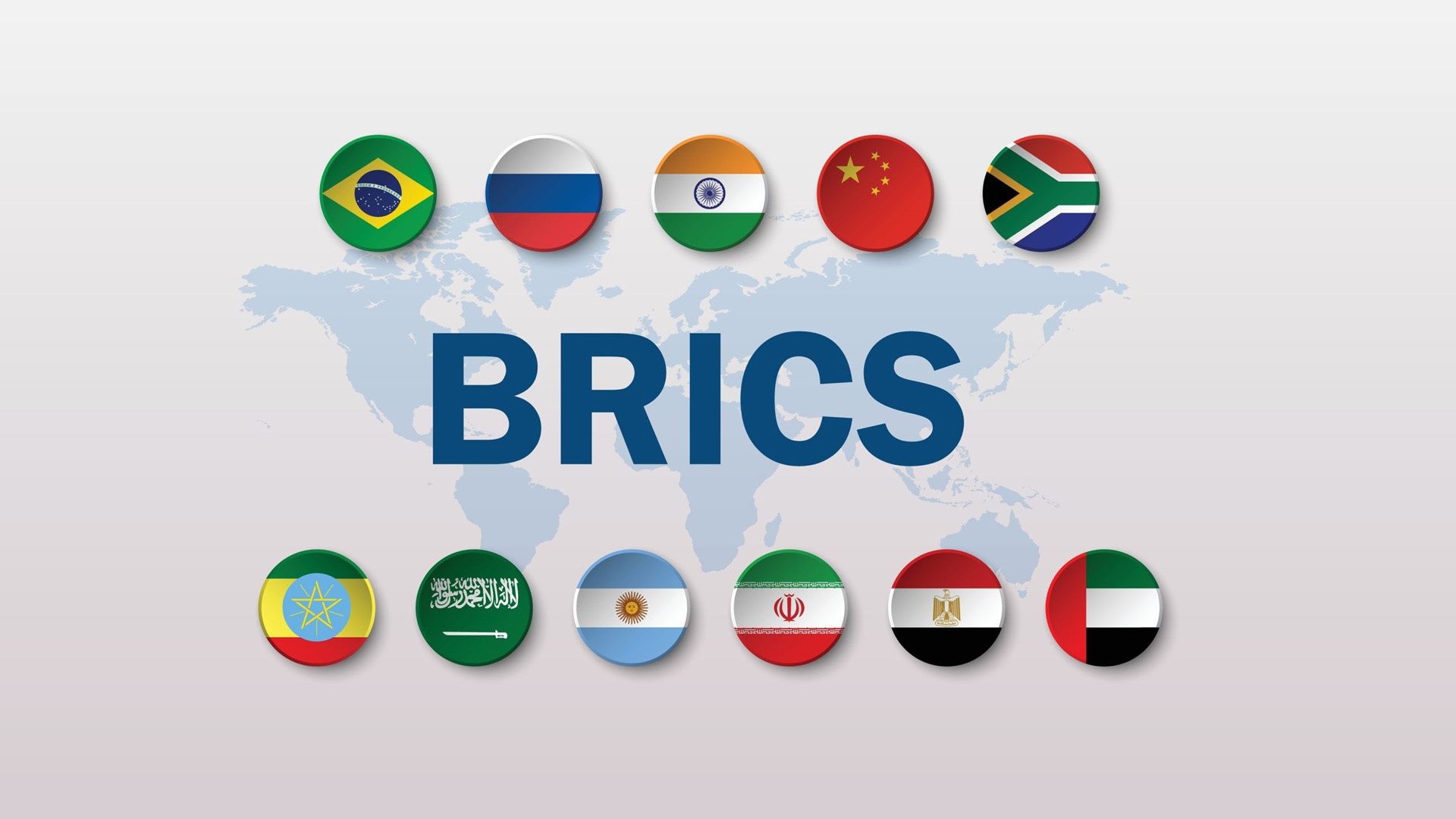
BRICS nations are discussing ways to connect their fast-payment systems and central bank digital currencies as the expanding bloc looks for cheaper and more efficient methods of conducting cross-border transactions.
Reserve Bank of India Governor Sanjay Malhotra said on August 11 that multiple options remain under discussion, including links among fast-payment networks and CBDCs. He emphasized that the proposals remain at the discussion stage rather than representing an already-established unified BRICS payment system.
The talks are significant because BRICS includes major economies seeking greater flexibility in international trade and finance. India has also promoted greater use of local currencies in cross-border transactions and has continued efforts to internationalize the rupee.
Connecting national payment systems could allow transactions to move more directly between participating countries, potentially reducing cost and dependence on existing intermediaries. CBDCs could add another layer by allowing central-bank-issued digital money to participate in cross-border settlement if governments eventually agree on technical and regulatory standards.
The discussion should not be confused with the creation of a single BRICS currency or a completed replacement for the U.S. dollar-based international financial system. The Reserve Bank of India described the ideas as options under consideration. Technical interoperability, regulation, exchange rates, sanctions exposure, privacy, cybersecurity and political disagreements all present substantial obstacles.
Nevertheless, the direction of travel matters. Countries are actively exploring infrastructure that could make international payments more digitally connected and potentially less dependent on traditional Western financial channels.
The development fits both the World Government and global-economic monitoring categories because financial infrastructure can reshape relationships among nations even without the creation of a formal supranational government.
Digital currencies and interconnected payment networks also demonstrate how financial transactions are becoming increasingly programmable, instantaneous and technologically mediated. That technological trend is worth documenting on its own merits.
At this stage, Elijah Council News is not treating the BRICS discussions as proof of a prophetic financial system or a one-world currency. The important fact is that major governments are actively considering deeper connections between national digital-payment infrastructure, and those systems warrant continued observation as they develop.
Reuters, “BRICS nations discuss linking payment systems and CBDCs, RBI chief says,” August 11, 2026.
Reserve Bank of India Governor Sanjay Malhotra’s remarks as reported during the 2026 BRICS summit period in Mumbai.