
The Trump administration is bringing an assertive economic agenda to the G20 as Treasury Secretary Scott Bessent presses other major economies on Iran, China, global trade imbalances and the rules governing international commerce.
Reuters reported on August 30 that Bessent is preparing for G20 finance meetings in Asheville, North Carolina, amid a difficult international environment that includes the Iran conflict, tariff disputes, volatile bond markets and rising U.S. government debt.
A central White House objective is increasing economic pressure on Tehran. Bessent has said the United States intends to impose new secondary sanctions on institutions facilitating Iranian transactions, initially focusing on banks. Such sanctions can have effects far beyond Iran because foreign institutions risk losing access to the U.S. financial system if they continue prohibited business.
The administration is expected to press other G20 governments to reduce economic ties with Iran. That effort connects economic diplomacy directly to the continuing military and security confrontation surrounding the Strait of Hormuz.
Bessent is also urging G20 countries to reconsider their trade relationships with China. He argues that China’s reliance on exports and industrial subsidies is contributing to unsustainable global trade imbalances and that Beijing should stimulate more domestic consumption.
The administration’s approach places U.S. tariffs within a broader attempt to alter international trade patterns. Other governments, however, must weigh American demands against their own economic interests, domestic industries and commercial relationships with China.
The United States enters these discussions with its own vulnerabilities. Federal public debt has moved above $40 trillion, while elevated Treasury yields have increased concern about borrowing costs. Critics therefore argue that Washington’s calls for global economic rebalancing must be considered alongside America’s persistent fiscal deficits.
That tension makes the G20 meeting an important test of the administration’s global influence. The White House is attempting simultaneously to pressure Iran, reshape trade with China, manage relationships with allies and reassure financial markets about U.S. economic leadership.
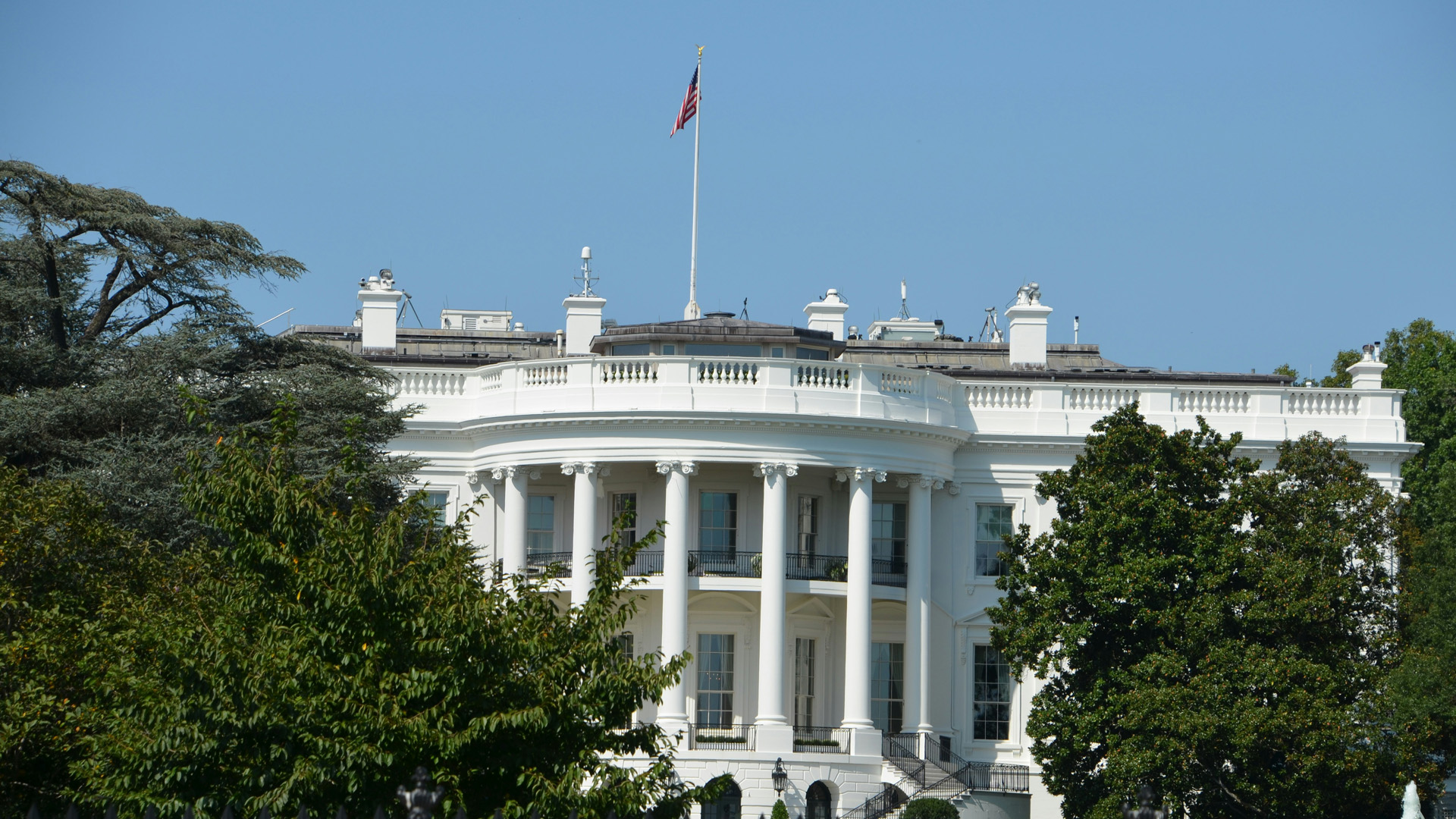
For Elijah Council News, the significance extends beyond domestic American politics. Decisions made by the White House on tariffs, sanctions, China and Iran can alter energy prices, supply chains, currencies and diplomatic relationships around the world. The United States remains sufficiently central to global finance that changes in Washington policy can rapidly become international economic events.
This article does not require a separate biblical interpretation. Its importance lies in documenting how current White House policy is influencing the international economic and geopolitical order.
Reuters, “U.S. Treasury’s Bessent faces G20 diplomacy test amid tariffs, Iran war, bond turmoil,” August 30, 2026.
Reuters, “G20 countries should consider more trade barriers on China to cut imbalances, Bessent says,” August 30, 2026.
Reuters, “Bessent expects new U.S. secondary sanctions weekly, aiming to increase pressure on Iran,” August 30, 2026.